Golf courses are not all built the same way. The terrain, climate, ownership model, and intended audience of a course shape everything about how it plays, how long a round takes, and how much it costs. Understanding the major types of golf courses helps you pick the right one for your skill level, schedule, and budget.
Links courses
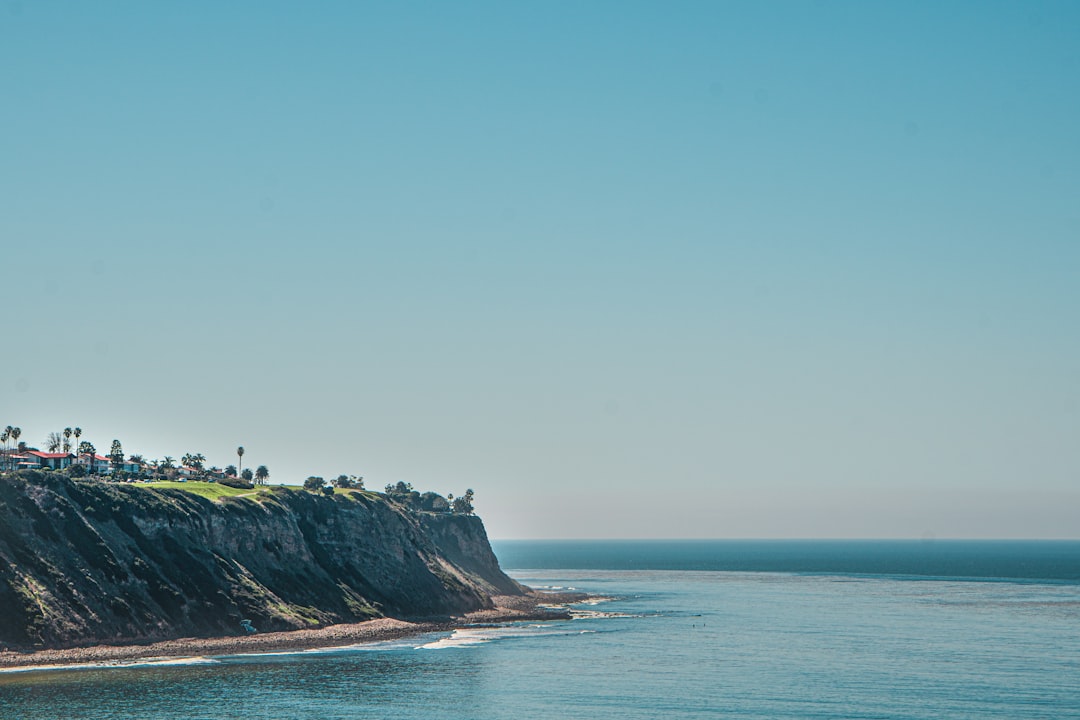
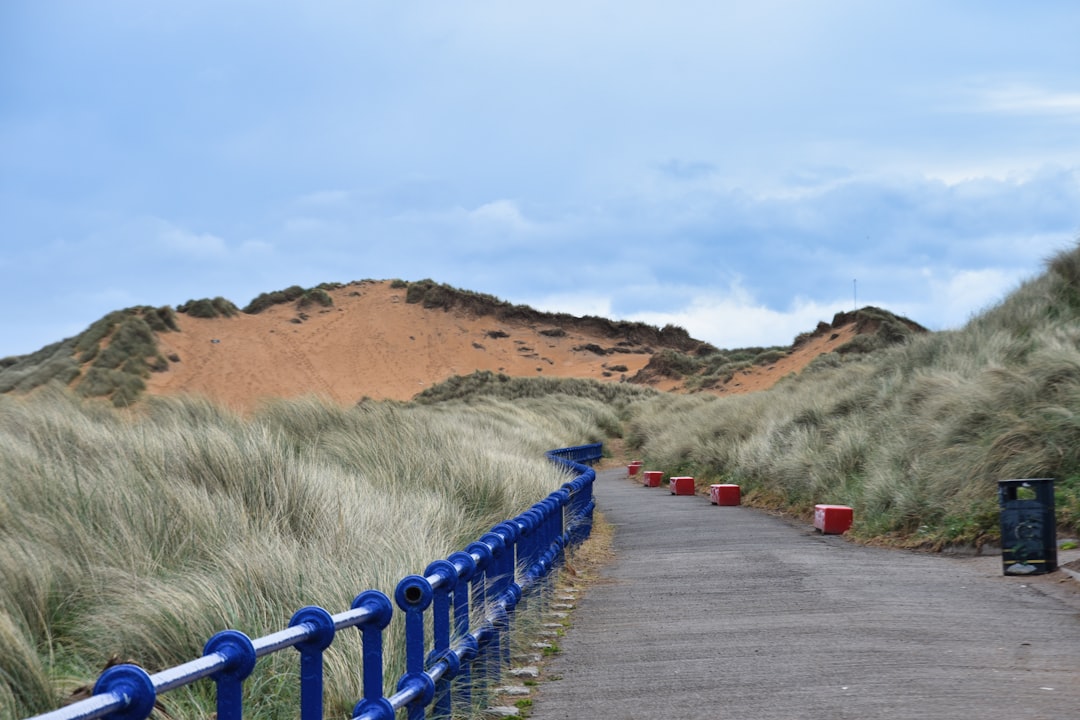
The original form of golf was played on linksland, the sandy, wind-swept coastal ground between the sea and inland farms in Scotland. True links courses share a set of defining features: firm, fast-running turf; very few trees; deep pot bunkers with steep sod-wall faces; and constant exposure to ocean wind. The terrain is usually rolling and uneven, with natural dunes shaping the holes rather than heavy earthmoving.
In the United States, genuine links-style courses are rare because the right combination of coastal land and sandy soil is hard to find. The most celebrated example is Bandon Dunes Golf Resort on the Oregon coast, where multiple courses including the Sheep Ranch sit on rugged bluffs above the Pacific. On the East Coast, Kiawah Island Golf Resort Ocean Course in South Carolina plays along the Atlantic with wide-open sight lines and relentless wind. Whistling Straits in Sheboygan, Wisconsin, brings a links feel to the shore of Lake Michigan, and Chambers Bay in Washington State hosted the 2015 U.S. Open on a links-inspired layout built on a reclaimed gravel pit. You can browse all Oregon courses and South Carolina courses to find more links-influenced layouts.
Parkland courses
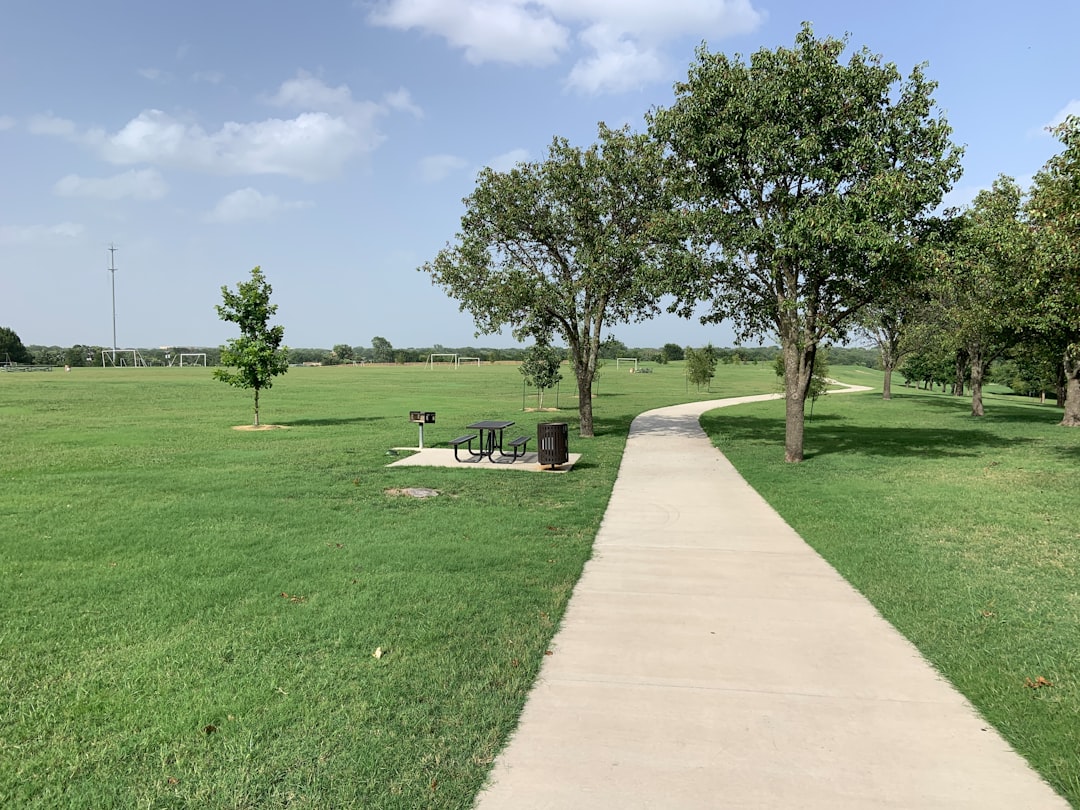
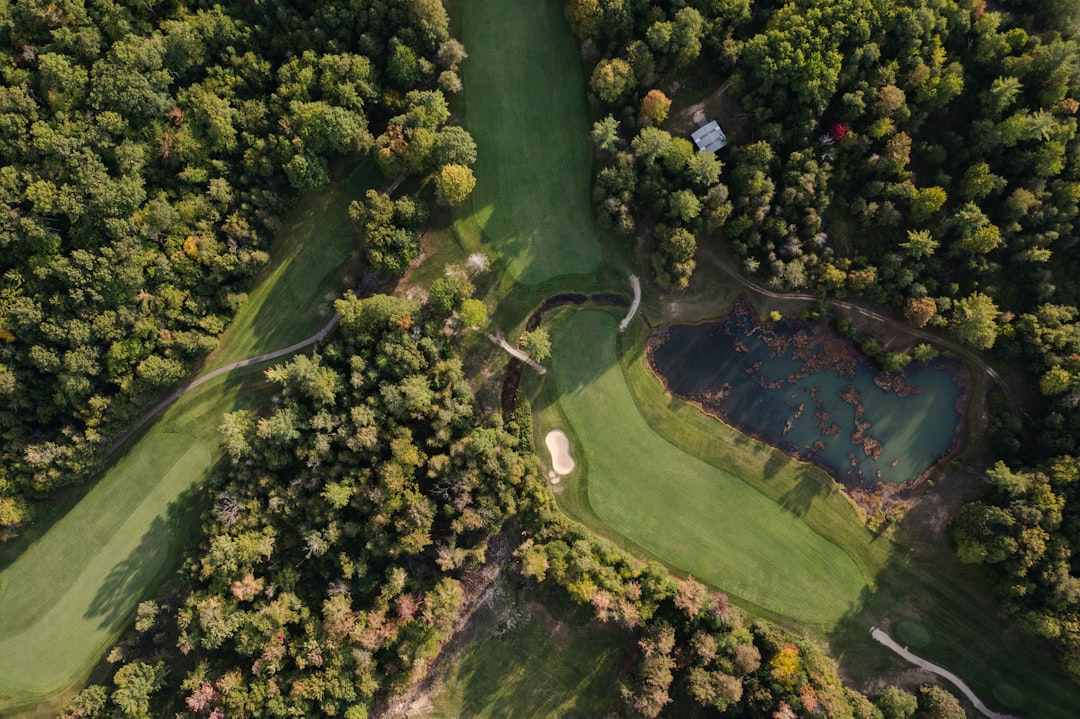
Parkland courses are the most common type of golf course in the United States. They are built on inland ground with lush, irrigated turf, mature trees lining the fairways, and well-defined green complexes. Water hazards like ponds, creeks, and lakes are common. The playing surface is typically softer than a links course, and the ball tends to stop more quickly on approach shots.
Most private country clubs, public daily-fee courses, and championship venues in the eastern half of the country follow the parkland model. Augusta National Golf Club in Georgia is perhaps the most famous parkland course in the world, with its towering pines and immaculate conditioning. Oakland Hills Country Club in Bloomfield Hills, Michigan, is another classic parkland layout that has hosted multiple major championships. Pinehurst in North Carolina, set among longleaf pines in the Sandhills region, blends parkland character with sandy soil for a distinctive playing experience. If you are used to tree-lined fairways and green grass in every direction, you are playing parkland golf.
Desert courses
Desert courses appear primarily in Arizona, Nevada, Utah, and parts of Southern California and New Mexico. They replace green grass rough with natural desert terrain: sand, rock, cactus, and scrub brush. Most desert layouts use a “target golf” style, where maintained turf is limited to tee boxes, fairways, and greens, and everything else is waste area or native desert. Errant shots often end up unplayable.
Troon North Golf Club in Scottsdale, Arizona, is one of the best-known desert courses in the country, with fairways carved through boulder-strewn Sonoran terrain. Nearby, We-Ko-Pa Golf Club on the Fort McDowell Yavapai Nation land plays across dramatic desert washes. Further south, Papago Golf Club offers a more affordable municipal option in Phoenix with red-butte backdrops. In Utah, Sand Hollow Resort near St. George sits among red sandstone formations. Arizona alone has 319 courses, and the Scottsdale-Phoenix corridor is one of the densest golf destinations in the country.
Municipal courses
Municipal courses are owned and operated by a city, county, or other government entity. They are open to all players, typically at lower green fees than private or resort courses. Munis, as golfers call them, form the backbone of public golf in the United States and have introduced more people to the game than any other course type.
Some municipal courses are simple nine-hole tracks in small towns. Others are championship-caliber layouts that have hosted professional tournaments. Bethpage State Park Golf Course on Long Island, New York, is a state-owned facility whose Black Course has hosted the U.S. Open and the Ryder Cup. TPC Harding Park in San Francisco is a city-owned course that has staged PGA Championship and Presidents Cup events. Torrey Pines Golf Course in La Jolla, California, is a municipally owned facility where residents of San Diego can book tee times at the same course that hosted the 2021 U.S. Open. Municipal golf proves that public ownership and high-quality course design are not mutually exclusive.
Executive courses
An executive course is shorter than a standard regulation course. The typical layout features a mix of par 3 and short par 4 holes, with total par usually falling between 58 and 65 for 18 holes. Some executive courses are nine holes with par in the low 30s. The shorter yardage means rounds take less time, often finishing in two to three hours instead of four or more.
Executive courses serve golfers who want a real round of golf but lack the time for a full 18-hole regulation course. They are also useful for newer players who are not yet comfortable hitting long approach shots or for older golfers who prefer walking a shorter distance. Lakeview Executive Golf Course in Pahrump, Nevada, is an 18-hole executive layout with a par of 59, playing just 3,518 yards with 13 par 3s and five par 4s. The Villages Executive Golf Trail in Lady Lake, Florida, is part of a large retirement community that offers multiple executive-length courses designed for daily play.
Par 3 courses
A par 3 course consists entirely of par 3 holes, usually nine holes with a total par of 27. Hole lengths generally range from 80 to 180 yards. These courses are the shortest type of regulation golf facility, and a round can be completed in under 90 minutes.
Par 3 courses are ideal for beginners learning the game, for experienced golfers sharpening their short-game skills, and for families or groups with mixed ability levels. Green fees are usually the lowest of any course type. Palm Beach Par 3 Golf Course in Florida is an unusual upscale exception, an 18-hole par 54 layout along the ocean in one of the country’s wealthiest zip codes. At the other end of the spectrum, Jordan River Par-3 in Salt Lake City is a public nine-hole course playing just 1,215 yards, and Jack Hoeven Wee Links Golf Course in Minot, North Dakota, is a youth-focused par 27 course where junior green fees start at one dollar.
Resort courses
Resort courses are attached to or associated with a hotel, lodge, or vacation property. They are designed to attract traveling golfers who want to combine a golf trip with lodging, dining, and other amenities in one place. Green fees at resort courses tend to be higher than at public courses, though guests of the resort often receive preferred rates or guaranteed tee times.
Hawaii and Florida have the highest concentrations of resort golf in the country. Kapalua Golf Plantation Course in Maui hosts the PGA Tour’s season-opening event each January and is part of a full resort complex. Turtle Bay Resort on Oahu’s North Shore offers two 18-hole courses designed by Arnold Palmer and George Fazio. In Florida, Innisbrook Resort in Palm Harbor is home to the Copperhead Course, which hosts the Valspar Championship, and PGA National Resort & Spa in Palm Beach Gardens is the permanent home of the PGA Tour’s Honda Classic. Streamsong Resort in Bowling Green, Florida, takes a different approach with three courses built on reclaimed phosphate mining land in rural central Florida. Browse all Hawaii courses and Florida courses to see more resort options.
Finding the right course for you
Each course type produces a different kind of round. Links golf is raw and windswept. Parkland golf is green and groomed. Desert golf is stark and strategic. Municipal courses keep the game affordable. Executive and par 3 courses keep it fast. Resort courses bundle golf with a full vacation experience.
Knowing these categories makes it easier to search for courses that match your preferences. You can browse the full FairwayDB directory by state to find courses near you or at your next travel destination, and filter by hole count, price tier, and driving range availability on any state page.